An Electric Utility Vehicle is designed to move people, tools, or materials across farms, campuses, warehouses, resorts, and industrial sites. Unlike a passenger car, it usually prioritizes useful carrying capacity, low-speed control, and dependable operation over highway performance. Common examples include electric utility carts, compact flatbed vehicles, maintenance vehicles, and small cargo carriers.
Its operation begins with a rechargeable battery pack, often using lithium-ion or lead-acid cells. The battery sends direct-current electricity to an electronic controller. This controller regulates power to the electric motor according to accelerator input, speed, and system limits. The motor then turns the wheels through a gearbox, differential, or direct-drive system. Many models use regenerative braking, which converts some motion back into electrical energy during deceleration. The recovered energy is helpful, but it does not fully recharge the battery.
A practical assessment should examine more than motor power. Payload, terrain, tire choice, battery capacity, charging time, and daily operating hours strongly affect performance. A vehicle carrying tools uphill will consume energy faster than one traveling empty on level concrete. Charging equipment must match the battery chemistry and manufacturer’s specifications. Operators also need clear visibility, stable loading, effective brakes, and suitable protective equipment.
The technology is efficient.
However, it is not automatically economical or sustainable in every setting. Battery replacement, extreme temperatures, poor maintenance, and unsuitable charging routines can reduce reliability. Claims about range should be treated carefully because real conditions rarely match laboratory estimates. Understanding these limits helps buyers and fleet managers choose a vehicle that fits actual work, not just attractive specifications.
Definition and Core Purpose of an Electric Utility Vehicle
What Is an Electric Utility Vehicle and How Does It Work?
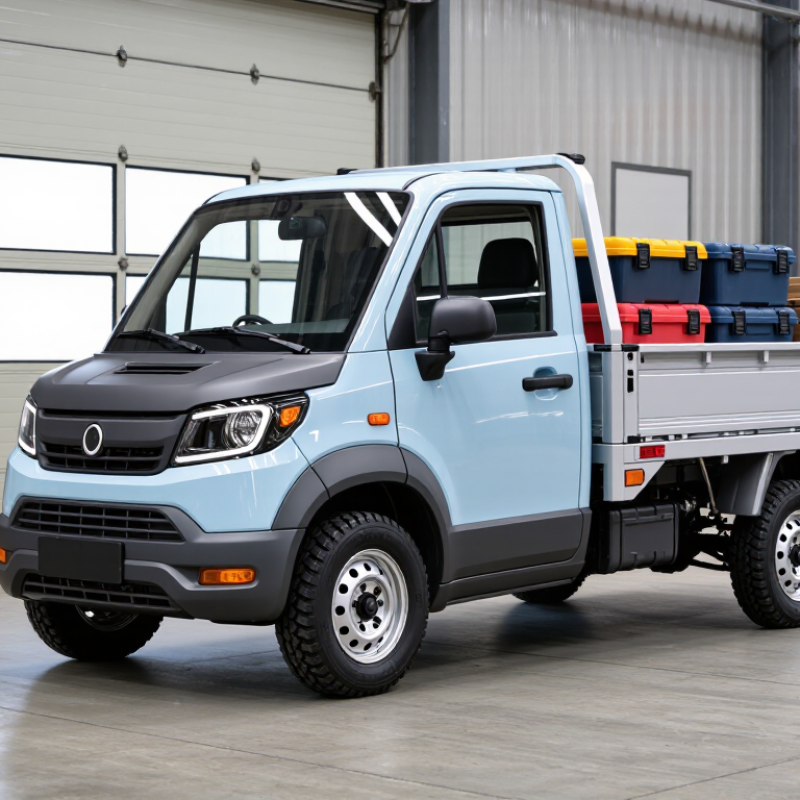
An electric utility vehicle is a battery-powered vehicle designed for practical work rather than long-distance travel. Its core purpose is simple: move people, tools, materials, or equipment across short routes with less noise and no tailpipe emissions during operation. Common work settings include farms, campuses, warehouses, resorts, construction areas, and municipal facilities.
A rechargeable battery supplies electrical energy to a motor controller. The controller regulates power sent to the electric motor, which turns the wheels through a direct-drive system or gearbox. When the operator releases the accelerator, regenerative braking may return some energy to the battery. A charger then restores the battery from a suitable electrical source. The process is quiet, but not effortless.
Vehicle capacity matters.
In practical use, operators must check payload limits, ground conditions, turning space, and battery range before starting a shift. Mud, steep slopes, cold weather, and heavy loads can reduce performance. Routine inspections should include tires, brakes, steering, cables, charging equipment, and battery condition. These details often determine whether the vehicle remains dependable.
The definition is not perfectly standardized. Some models are compact transporters, while others resemble small work trucks. It is also easy to overstate their environmental benefits. Electricity production, battery manufacturing, and replacement costs still matter. A responsible evaluation should consider the entire operating environment, not just the absence of engine noise.
How Electric Power Is Stored and Delivered to the Motor
An electric utility vehicle stores energy in a rechargeable battery pack, usually mounted beneath the floor or inside the frame. The pack contains many connected cells that produce direct current. A battery management system monitors voltage, temperature, and charge levels. It also balances individual cells to reduce wear and improve reliability.
Power does not travel straight from the battery to the motor. A controller regulates the current and sends it to an inverter. The inverter changes direct current into the alternating current required by many traction motors. When the driver presses the accelerator, sensors measure the request and adjust motor torque within milliseconds. The motor then turns the wheels through a gearbox or direct-drive system. Smooth delivery matters more than sudden power. Heavy loads can demand more current, increasing heat and reducing driving range.
Charging reverses this process. Electricity enters through a charging unit, while protective circuits control voltage and temperature. During deceleration, the motor can act as a generator. This regenerative braking sends some energy back into the battery. Not all braking energy returns. Battery temperature, charge level, and system limits affect the result. That detail is easy to overlook. In real work conditions, mud, hills, payload changes, and cold weather can challenge performance. I would not judge an electric utility vehicle by battery capacity alone. Motor efficiency, thermal control, charging access, and daily operating habits often matter just as much.
How Electrical Energy Reaches an Electric Utility Vehicle's Wheels
Representative energy flow from a 100 kWh battery pack through the power electronics and motor.
The battery stores electrical energy as direct current. A power inverter regulates and converts that energy for the motor, which changes electrical energy into mechanical rotation. Energy decreases at each stage because of electrical resistance, switching losses, heat, and mechanical friction. Actual efficiency varies with vehicle load, speed, temperature, and battery condition.
Step-by-Step Process of Driving and Operating the Vehicle
An electric utility vehicle carries tools, people, or light cargo with an electric motor and battery pack. Its operation feels simple, but small habits affect safety and range. The U.S. Department of Energy reports that electric drivetrains convert about 77–82% of stored energy into movement. Conventional gasoline vehicles convert roughly 12–30%.
Before driving, walk around the vehicle. Check the tires, mirrors, lights, cargo restraints, and visible cables. Confirm that the load stays within the stated capacity. Sit fully back, fasten the seat belt, and keep both feet clear. Turn on the vehicle, select forward, and release the parking brake. Press the accelerator gently. Electric motors deliver immediate torque, so a small pedal movement can create a quick response. Lift your foot early near corners or slopes. Regenerative braking may slow the vehicle, but it does not replace the brake pedal. Stop completely before selecting reverse. Set the parking brake before leaving the seat. The process is orderly, yet real work sites are rarely perfect. A rushed inspection remains an easy mistake.
Tips:
Keep the battery between its recommended charge limits. The International Energy Agency’s Global EV Outlook 2024 recorded more than 14 million electric car sales in 2023, showing the wider technology’s rapid adoption. Still, utility vehicles face heavier loads and shorter routes. Track battery percentage, payload, terrain, and weather during each shift. Charge in a dry, approved area, and inspect the connector before plugging in. Do not rely only on the dashboard range estimate. It can change quickly.
Common Applications, Advantages, and Operating Limitations
An electric utility vehicle is a compact work vehicle powered by a battery, motor, and electronic controller. It often moves tools, materials, or staff across campuses, warehouses, farms, and industrial sites. The battery sends direct current to the inverter, which controls motor speed and torque. Regenerative braking returns part of the braking energy to the battery. The U.S. Department of Energy reports that electric drivetrains convert more than 77% of grid energy into motion, compared with about 12–30% for conventional vehicles.
Their applications are practical and often repetitive. A maintenance crew can carry ladders through a hospital campus without engine noise. A warehouse vehicle can complete short delivery loops with fewer local emissions. The International Energy Agency recorded more than 14 million electric car sales worldwide in 2023, showing the wider growth of battery-based transport. Utility fleets may gain from lower routine energy and maintenance costs, especially when charging occurs overnight. Quiet operation matters too.
Limitations appear quickly under heavy work.
Battery capacity falls in cold weather, and steep slopes or large payloads reduce driving range. Charging may take hours, while a fuel-based vehicle can return to service faster. A vehicle rated for 80 kilometers may travel much less on rough ground. That number can mislead. Tire pressure, load balance, and repeated stops also affect consumption. Fleet managers should measure real duty cycles before purchasing, because a small battery may suit campus errands but fail during long outdoor shifts. Some operators still underestimate charging space, electrical upgrades, and battery replacement costs.
Conclusion
An Electric Utility Vehicle is a battery-powered vehicle designed to transport people, tools, materials, or equipment efficiently across workplaces, campuses, farms, warehouses, and other managed environments. Unlike conventional vehicles that rely on fuel combustion, it uses an electric motor powered by rechargeable batteries. Its main components typically include the battery pack, motor, controller, charging system, accelerator, braking system, steering system, and a durable utility body. Together, these parts provide controlled movement, useful carrying capacity, and quiet operation.
Electric power is stored in the battery as chemical energy and released as electrical energy when the vehicle is activated. The controller regulates this energy and sends it to the motor, which turns the wheels through the drivetrain. During operation, the driver selects a direction, applies the accelerator, and uses the brakes to control speed and stopping. Electric Utility Vehicle models can reduce local emissions, operating noise, and energy costs while requiring relatively simple maintenance. However, their range, load capacity, charging time, weather performance, and travel speed may limit their suitability for long-distance or demanding applications.